How Linen Is Made: From Flax Plant to Fabric
October 29, 2026 · 3-minute read
Linen is one of the oldest textiles people make. Evidence of its use has been found in prehistoric lake dwellings in Switzerland, and fine linen has been found in ancient Egyptian tombs.1 It comes from the stalk of the flax plant, and turning that stalk into fabric takes several steps that have changed surprisingly little over the centuries, even as machines have taken over most of the work.
The following is a summary of how flax becomes linen, what the process means for the fabric you wear, and how certification applies along the way.
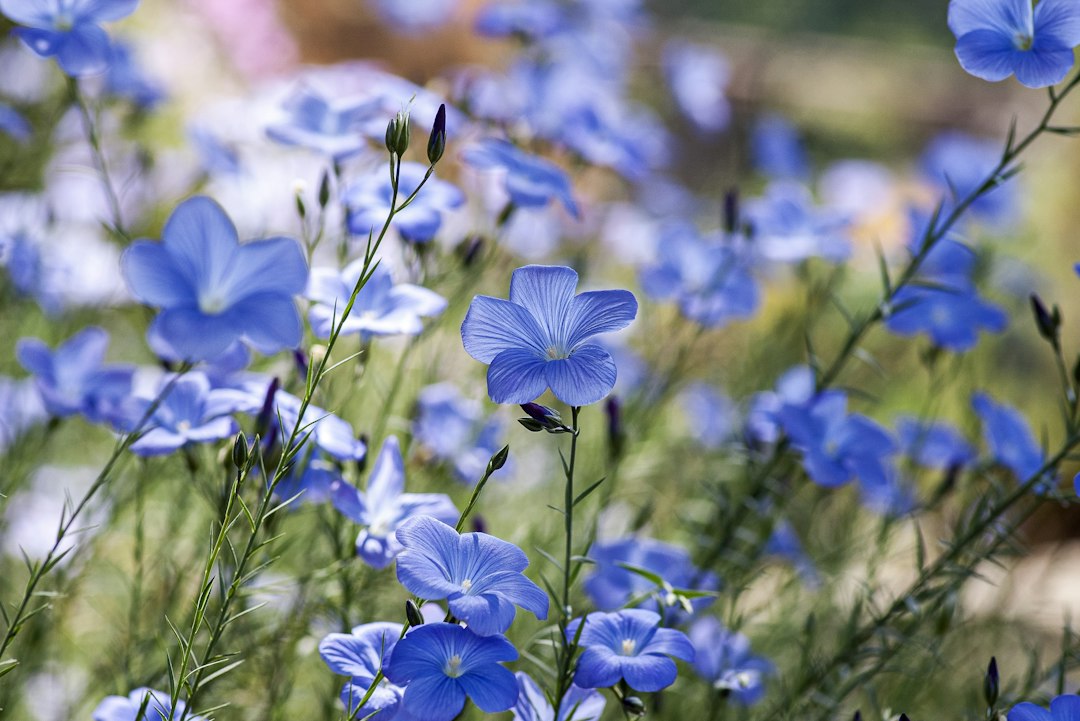
From Flax Plant to Linen Fabric: 6 Steps
1. Growing Flax
Flax (Linum usitatissimum) is grown both for its fiber, which becomes linen, and for its seeds, known as flaxseed or linseed. Flax grown for fiber is a slender annual plant that is planted densely and grows about 0.9 to 1.2 meters tall, with few branches except at the top. It grows best in temperate climates, and cool, moist growing seasons produce the most desirable fiber.1 The plants reach maturity in about 100 days.2 France, Belgium, and the Netherlands produce about three-quarters of the world’s long flax fiber, the grade used for textiles.3
2. Pulling
Flax is not cut at the base like grain. It is pulled out of the ground, which preserves the full length of the stems and the fibers inside them.2 The pulled stalks are then laid in rows in the field.
3. Retting
Linen is a bast fiber, meaning the fibers sit in bundles just under the stalk’s outer skin, held to its woody core. Retting uses moisture and naturally occurring microorganisms to break down the tissues around the fibers so they can be separated.1 In Western Europe, the flax is usually retted in the field over the summer.3
4. Scutching and Hackling
Once dry, the retted stalks are crushed and beaten to separate the fiber from the woody core,1 a step called scutching whose main product is long fiber.3 Hackling then combs the fiber to straighten it and sort it by length into long, fine fibers called line and shorter fibers called tow. Flax fiber strands are about 30 to 75 centimeters long.1
5. Spinning
Line fiber is drawn out into a thin strand and spun into yarn. Fine linen yarns are usually wet spun: the strand passes through a hot water bath at about 60 to 70 °C, which softens the remaining pectin between the fibers so they can slide into a finer, smoother yarn.4 Shorter tow is usually dry spun into heavier yarns.
6. Weaving or Knitting
Most linen is woven into everything from sheer shirting to heavy canvas, while lower grades of flax are used for products such as bags and twine.1 Linen can also be knitted into jersey for T-shirts, though that is less common. After weaving, the fabric may be washed, softened, or dyed. Washed or stone-washed linen has been tumbled so it starts out softer and less crisp.
What This Means for Linen Clothing
The long, smooth flax fibers explain how linen behaves. Linen is stronger than cotton and dries more quickly. Because flax fibers have low elasticity, linen has a smooth texture but wrinkles easily. It absorbs and releases moisture quickly and conducts heat well, which is why linen clothing feels cool to wear.5 Linen is crisp when new and softens with washing and wear.
Linen is often blended with cotton or viscose to change its feel or reduce wrinkling, and with a little elastane for stretch. A fiber content label shows how much of a garment is linen.
Linen Certifications
“Flax” and “linen” generally refer to the same fiber, and labels in the United States usually say linen. Two certifications are commonly seen on linen clothing.
Masters of FLAX FIBRE
Masters of FLAX FIBRE, called European Flax until January 2025, certifies that linen comes from flax grown in France, Belgium, and the Netherlands. It provides traceability of that European origin from the flax fiber to the finished product, verified by an independent certification body, and applies to products made of at least 50% linen, all of it of certified European origin. Its requirements include growing flax without irrigation except where specifically justified, and employment for flax fiber production that complies with national and European labor laws.6
Global Organic Textile Standard (GOTS)
GOTS also covers organic linen, applying to every step of production from the farm to the final garment manufacturing factory.7 For how GOTS applies at each stage, see How Cotton Becomes Clothing.
On FiberScore, you can see every item’s linen percentage. Browse linen clothing, or go straight to women’s linen dresses, men’s linen shirts, and women’s 100% linen clothing.
References
Britannica Editors. (n.d.). Flax. Encyclopaedia Britannica. https://www.britannica.com/plant/flax
Alliance for European Flax-Linen & Hemp. (n.d.). European flax culture. https://allianceflaxlinenhemp.eu/en/flax-growing-expertise
Alliance for European Flax-Linen & Hemp. (n.d.). Press section. https://allianceflaxlinenhemp.eu/en/press-section-alliance
Groen Kennisnet. (n.d.). 7.1.5 Spinning of long fibres. https://wiki-groenkennisnet.atlassian.net/wiki/x/goSVEQ
Britannica Editors. (n.d.). Linen. Encyclopaedia Britannica. https://www.britannica.com/technology/linen
Alliance for European Flax-Linen & Hemp. (n.d.). Masters of FLAX FIBRE™ (ex-European Flax™) certification. https://allianceflaxlinenhemp.eu/en/masters-of-flax-fibre-certification
Global Organic Textile Standard. (n.d.). Global Organic Textile Standard (GOTS). https://global-standards.org/our-standards/gots