What Are Rayon, Viscose, Modal, and Lyocell and Why Does It Matter?
April 24, 2026 · 10-minute read
Clothing labels mentioning rayon, viscose, modal, and lyocell can be confusing because how they’re made isn’t common knowledge. Rayon is a broad category of fibers derived from plant-based cellulose, most often sourced from wood. Within this category are viscose, modal, and lyocell, each with a different production method. They are generally regarded as being soft, breathable, and draping nicely. The materials, also known as man-made cellulosic fibers (MMCFs), begin as wood pulp or another plant-based feedstock that is chemically dissolved and re-formed into new fibers. Garments marketed as bamboo often fall into this group. Understanding this category of materials is important because the way a manufacturer produces the fiber determines the health and safety of the people producing it, the communities around the production facilities, and end consumers.1
Viscose
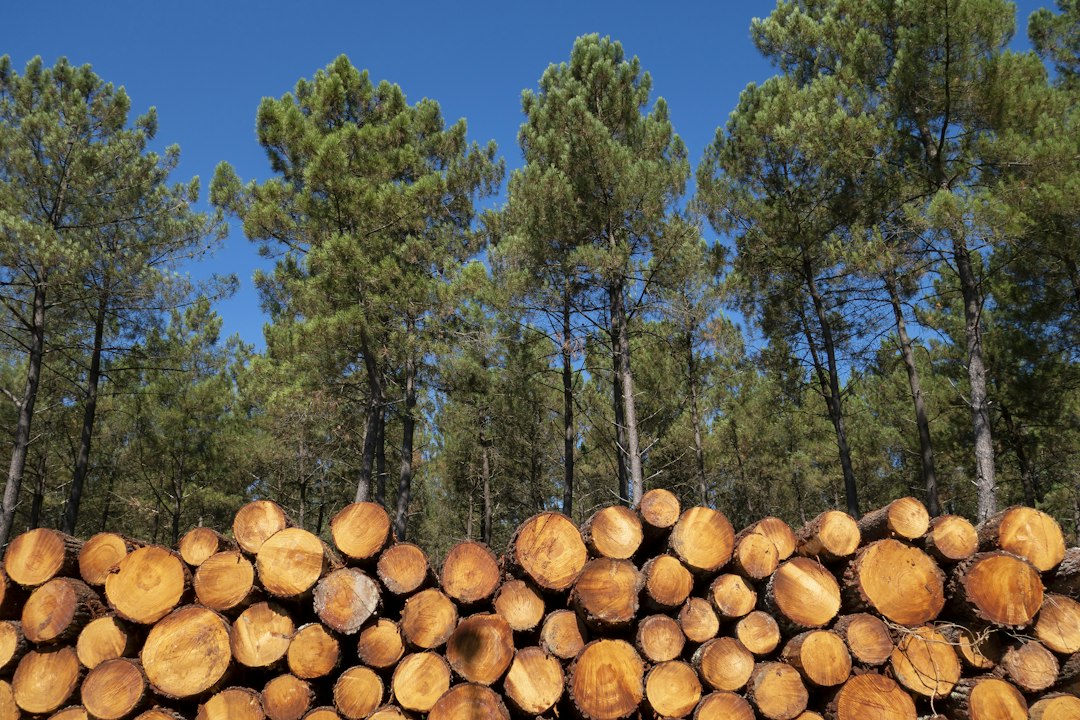
Viscose, the most common type of rayon often used in shirts and dresses, starts with wood pulp, commonly from pine, spruce, and eucalyptus trees, or bamboo pulp. The pulp feedstock can be certified by the Forest Stewardship Council (FSC) and the Programme for the Endorsement of Forest Certification (PEFC) to help ensure the wood comes from more renewable sources rather than ancient forests, and that logging practices respect local communities and workers.2,3,4
The pulp is extensively processed using sodium hydroxide and carbon disulfide, transforming purified cellulose from the pulp into a viscous liquid (hence the name viscose). The solution is pushed through small holes known as spinnerets into an acid bath primarily made up of sulfuric acid, which regenerates the cellulose as solid fibers. The fibers are then stretched, washed, and dried before being spun into yarn.5
Importantly, the chemicals used to make viscose are hazardous for workers, so safety controls need to be in place. Sodium hydroxide and sulfuric acid can cause severe chemical burns and respiratory irritation. Additionally, occupational exposure to strong acid mists has been linked to cancer, bronchitis, and dental erosion.6,7
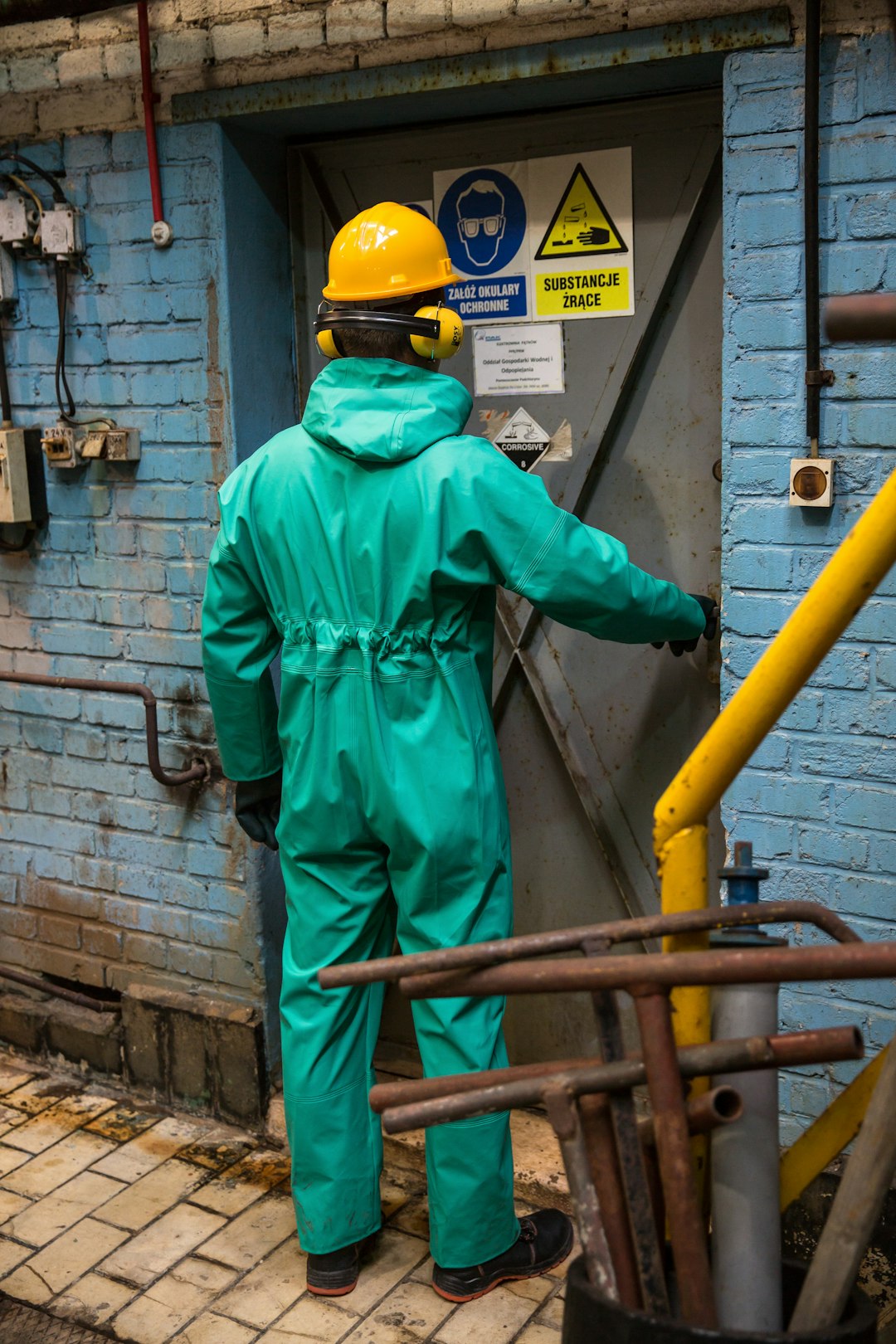
Carbon disulfide is one of the most documented toxicants in textile history, linked to cardiovascular disease, neurological disorders, and reproductive harm. Specifically, long-term exposure accelerates atherosclerosis and increases the risk of stroke. It can also contribute to neurological disorders and cognitive decline, interfere with the thyroid leading to fatigue and metabolic disruptions, and reduce fertility or cause birth defects. Communities near viscose mills with poor emission controls face similar risks due to air and water contamination.8,9
Certifications from the International Organization for Standardization (ISO) can verify that controls are in place. Two standards to look for from fiber producers — and ideally from clothing retailers that use those fibers — are the occupational health and safety management systems standard ISO 45001 and the environmental management systems standard ISO 14001. These help improve the safety and health of workers and communities near factories.10,11
For consumers, carbon disulfide is generally removed during manufacturing, but OEKO-TEX STANDARD 100 certification or a similar certification can verify that residues are within safe limits. The bigger concern lies in the supply chains that remain hazardous to workers.8,12
Modal is a refined form of viscose engineered to produce softer, finer fibers, and is especially common in underwear and base layers. Modal has the same underlying chemical hazards since it follows the same overall fiber production process as viscose, but being a newer process, it generally has better manufacturing controls.5
Finally, bamboo rayon, despite using a rapidly renewable feedstock, is typically produced using the same viscose method, with the only difference being that the cellulose comes from bamboo pulp.1
Lyocell: A Better Process
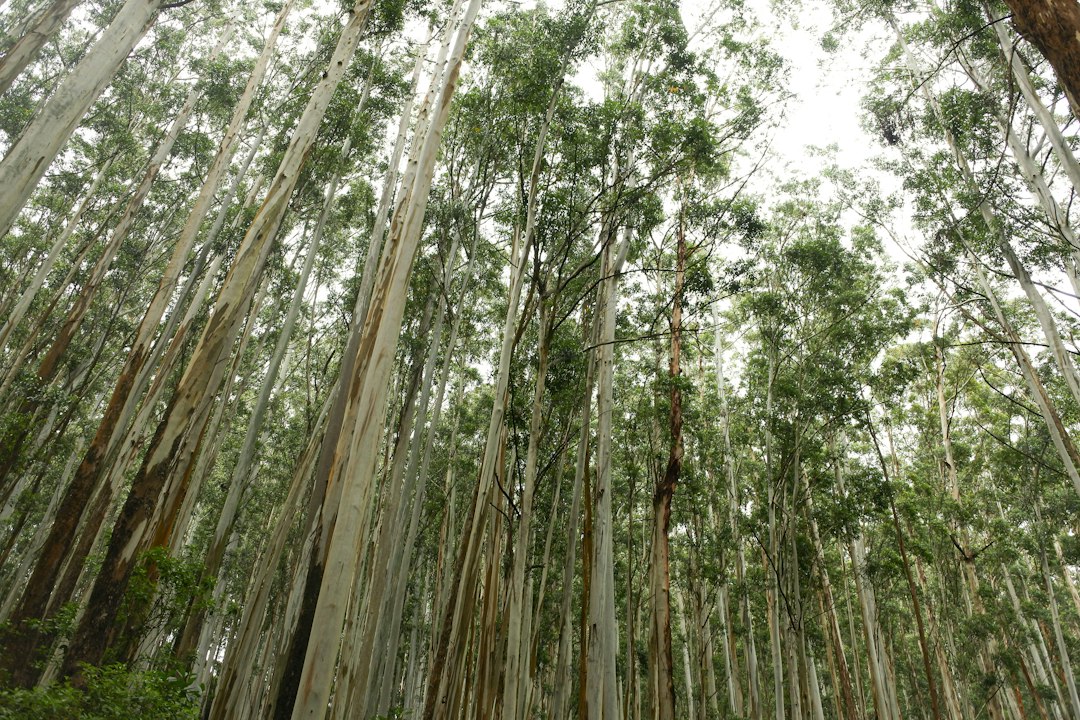
Lyocell is a soft, durable fiber that is used in areas such as activewear and denim. Lyocell begins much like viscose, using wood pulp as its base, but relies on a different and significantly less toxic production process. The pulp is dissolved in N-methylmorpholine N-oxide (NMMO), extruded through spinnerets, and regenerated in a water bath. While NMMO is derived from petroleum, lyocell production operates in a closed-loop system, recovering and reusing nearly all the solvent, reducing both worker exposure and emissions. NMMO can irritate skin and eyes without proper personal protective equipment (PPE), but it is much less toxic than carbon disulfide. Long-term toxicology studies on NMMO are limited, however.5,13
Lenzing: Improved Controls and Transparency
The Austrian company Lenzing stands out for its chemical safety controls and transparency in manufacturing MMCFs. LENZING Viscose, LENZING ECOVERO, and LENZING TENCEL Modal or MicroModal still depend on sodium hydroxide, carbon disulfide, and harsh acids, but the safety measures and emission standards are strict, following ISO 45001:2018 and ISO 14001:2015. The fibers also use FSC- or PEFC-certified wood and pulp, and most of the chemicals used in fiber production are recovered. LENZING TENCEL Lyocell combines the lower-toxicity NMMO process with certified eucalyptus wood and pulp sourcing in a closed-loop fiber production system. Lenzing is also making progress toward Zero Discharge of Hazardous Chemicals (ZDHC) certification, which focuses on avoiding the release of any toxic chemicals outside of factories. Unlike Lenzing, many rayon producers disclose little about their feedstocks or production methods, making them extremely difficult to evaluate.14,15

The Missing Certification
One area that lacks transparency in MMCF clothing manufacturing is wet processing — the dyeing, finishing, and coating that occurs after fiber production and generally after fabric manufacturing. For comparison, fabrics made from natural fibers like cotton, linen, and wool can be certified with the Global Organic Textile Standard (GOTS), which sets detailed limits for organic natural fibers and regulates fiber production as well as the dyes and additives used in wet processing. No comparable certification exists that audits the wet processing of viscose, modal, lyocell, or other MMCF fabrics. Therefore, a rayon fabric or other MMCF fabric can reach the market with no oversight of what dyes, finishes, or coatings were applied. OEKO-TEX STANDARD 100 can verify that chemical residues in the final clothing product stay below harmful thresholds for consumers, but it does not evaluate the manufacturing process itself. Workers and communities near wet processing facilities may therefore still be impacted by hazardous manufacturing practices and toxic chemicals.8,12,16

Cupro and Acetate: Other MMCFs
Cupro, or cuprammonium rayon, begins with cotton linters, the fine fibers attached to cotton seeds after ginning, rather than wood pulp. The linters are dissolved in a solution of copper sulfate, ammonia, and sodium hydroxide, creating a copper-cellulose complex. The mixture is extruded through spinnerets into a coagulation bath where the cellulose forms into filaments. After washing, the fibers are spun into yarn with a smooth, silk-like finish. Like many MMCF production techniques, the process poses occupational hazards. Sodium hydroxide, as previously mentioned, can cause chemical burns, and chronic inhalation of ammonia causes airway inflammation that can lead to persistent respiratory irritation and lung damage.5,6,17
Acetate is another MMCF, but the fiber production process chemically alters the cellulose rather than only re-forming it. Wood pulp is purified into cellulose and treated with acetic anhydride, acetic acid, and sulfuric acid to form cellulose acetate. The compound is dissolved in acetone and extruded through spinnerets into fine filaments that are later washed and dried. The result is a smooth fiber that drapes well and has a nice sheen. However, sulfuric acid can cause chemical burns and respiratory irritation, and acetic anhydride is acutely toxic to skin and the respiratory system, causing severe chemical burns and eye damage.18,19,20
Similar to rayon MMCFs, acetate and cupro production require feedstock evaluation and careful chemical management to protect workers and surrounding environments, in addition to product testing for consumer health and safety.
What to Look For
When shopping for clothing that contains rayon or other man-made cellulosic fibers, a few key questions are worth asking: What type of fiber is it — viscose, modal, lyocell, acetate, or cupro? Does the manufacturer disclose how its factories are managed and whether chemicals are recovered? And has the finished product been tested for safety?
Marketing information often lacks detail. Taken together, factory safety standards, the solvents used, wastewater treatment practices, air emissions, processing chemicals, and third-party audits help determine whether the people making the clothing, communities near factories, and consumers can be safe and healthy.
References
Robertson, L. (2025). Material Guide: What Is Viscose and Is It Sustainable? Good On You. https://goodonyou.eco/material-guide-viscose-sustainability/
The Council of Fashion Designers of America (CFDA) (n.d.). Rayon (Viscose). https://cfda.com/resources/materials-hub/materials-index/rayon-viscose/
Forest Stewardship Council International (FSC). (n.d.). What’s in a label? https://fsc.org/en/label
Programme for the Endorsement of Forest Certification (PEFC). (n.d.). What is sustainable forest management? https://www.pefc.org/what-we-do/our-approach/what-is-sustainable-forest-management
Varnaitė-Žuravliova, S. & Baltušnikaitė-Guzaitienė, J. (2024). Properties, Production, and Recycling of Regenerated Cellulose Fibers: Special Medical Applications. Journal of functional biomaterials, 15(11), 348. https://doi.org/10.3390/jfb15110348
Agency for Toxic Substances and Disease Registry. (2014). Medical Management Guidelines for Sodium Hydroxide (NaOH). U.S. Department of Health and Human Services. https://wwwn.cdc.gov/TSP/MMG/MMGDetails.aspx?mmgid=246&toxid=45
UK Health Security Agency. (2024). Sulphuric acid: toxicological overview. Department of Health and Social Care. https://www.gov.uk/government/publications/sulphuric-acid-properties-incident-management-and-toxicology/sulphuric-acid-toxicological-overview.
Changing Markets Foundation. (2018). Dirty Fashion revisited: spotlight on a polluting viscose giant. Available at: https://changingmarkets.org/report/dirty-fashion-revisited-spotlight-on-a-polluting-viscose-giant/
Medbery, C & Therriault, C (2025). Carbon Disulfide Toxicity. StatPearls [Internet]. https://www.ncbi.nlm.nih.gov/books/NBK616081/
International Organization for Standardization (ISO). (n.d.). ISO 14001 explained. https://www.iso.org/home/insights-news/resources/iso-14001-explained.html
International Organization for Standardization (ISO). (n.d.). ISO 45001 Briefing notes. Available at: https://www.iso.org/standard/63787.html
OEKO-TEX. (2026). OEKO-TEX STANDARD 100. Edition 01.2026. Available at: https://www.oeko-tex.com/en/our-standards/oeko-tex-standard-100/
Santa Cruz Biotechnology. (2008). 4-methylmorpholine N-oxide: Material Safety Data Sheet. https://datasheets.scbt.com/sc-252180.pdf
Lenzing. (2025). Focus paper: Responsible production. https://a.storyblok.com/f/306166/1feafe39c1/focus-paper-responsible-production-en.pdf
ZDHC Foundation (n.d.). Paving the way for sustainable chemical management within the fashion industry. https://www.roadmaptozero.com/
Global Standard gGmbH. (2023). Global Organic Textile Standard (GOTS) Version 7.0. Available at: https://global-standard.org/downloads
U.S. Environmental Protection Agency (EPA). (2016). Toxicological Review of Ammonia Noncancer Inhalation: Executive Summary. https://iris.epa.gov/static/pdfs/0422_summary.pdf
Sino Silk. (2025). What is Acetate Fabric? A Complete Beginner’s Guide. https://snsilk.com/what-is-acetate-fabric/
Rauturier, S. (2024). Material Guide: What Is Acetate, and Is It a Lower-Impact Material? Good On You. https://goodonyou.eco/is-acetate-eco-friendly/
Fisher Scientific. (2014). Safety Data Sheet: Acetic Anhydride. https://www.fishersci.com/store/msds?partNumber=S25119A&productDescription=acetic-anhydride&vendorId=VN00115888&keyword=true&countryCode=US&language=en