Hemp Clothing: What Hemp Fiber Is and How It Becomes Fabric
November 16, 2026 · 3-minute read
Hemp has been grown for fiber for thousands of years: hemp cultivation for fiber was recorded in China as early as 2800 BCE.1 Today it appears on clothing labels both on its own and, more often, blended with cotton.
What Hemp Fiber Is
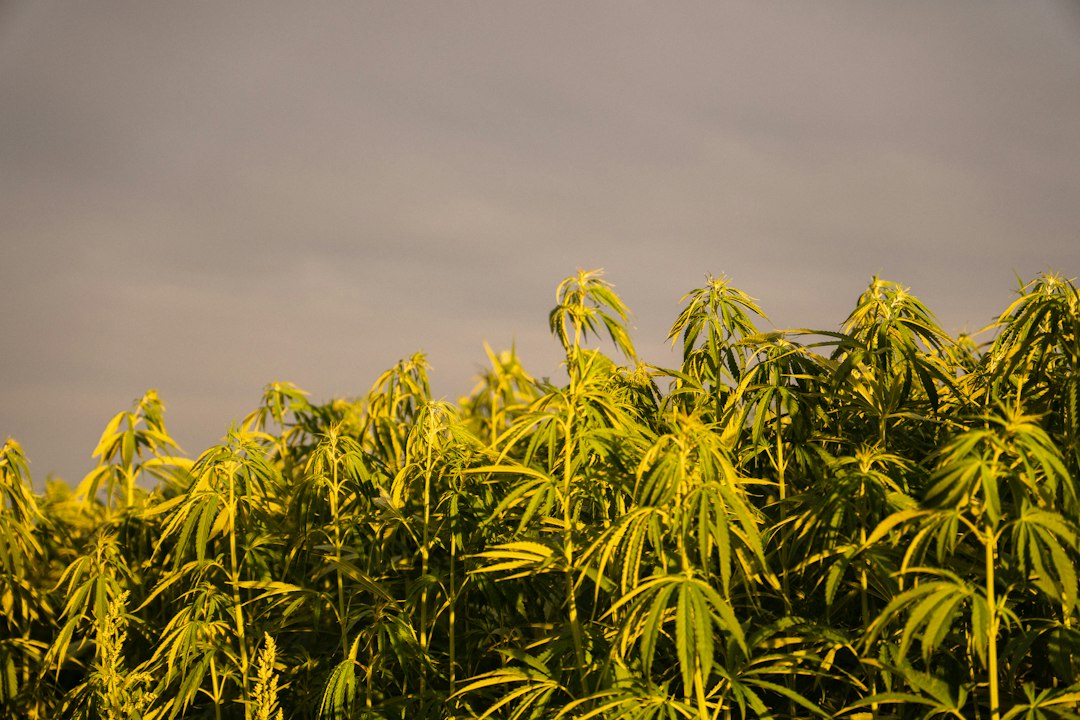
Hemp (Cannabis sativa) is a tall herb that originated in Central Asia and is cultivated for its bast fiber and its edible seeds and oil. The varieties grown for hemp contain only small amounts of THC compared with cannabis grown as a drug.1
Like linen, hemp is a bast fiber, meaning the usable fiber grows in bundles just under the outer skin of the stalk, around a woody core. Hemp grown for fiber is sown densely and averages 2 to 3 meters tall, with almost no branches.1
How Hemp Becomes Fabric
1. Harvesting and Retting
Fiber hemp is usually cut a few centimeters above the ground. The stalks are then retted, which uses moisture and naturally occurring microorganisms to break down the material that binds the fiber to the core, and dried.1
2. Separating the Fiber
The dried stalks are crushed, then shaken to complete the separation of the fiber from the woody portion, releasing the long, fairly straight fiber, or line. Hemp fiber strands are usually longer than 1.8 meters.1 Modern machines that strip the fiber from the core are called decorticators, and the woody core, called hurd, is used in other products.
3. Spinning, Weaving, and Knitting
Long hemp fibers can be spun much like linen, giving a strong yarn with a similar texture. Hemp can also be cut shorter and processed on cotton spinning equipment, which makes it easier to blend with cotton. The yarn is woven into fabrics from light shirting to heavy canvas, and knitted, usually in a cotton blend, into jersey and fleece.
How Hemp Fabric Feels and Wears
Specially processed hemp has a whitish color and an attractive luster and is used to make fabric similar to linen for clothing. The fiber is strong, which is why hemp has long been used for rope, sacking, and canvas.1 Hemp fabric starts out somewhat stiff and gets softer with washing and wear, and like other bast fibers it creases easily.
Blending hemp with cotton gives a softer fabric that still has some of hemp’s texture. A typical hemp blend might be 55% hemp and 45% cotton, or 30% hemp and 70% cotton, and the fiber content label tells you the split.
Hemp, Linen, and Ramie
Hemp, linen, and ramie are all bast fibers, and fabrics made from them can look alike. Linen comes from flax,2 ramie from a plant in the nettle family, and hemp from the cannabis plant. On a label, each is listed by its own name.
Shopping for Hemp
Jungmaven makes most of its clothing in hemp, including its Original Tee in 55% hemp and 45% organic cotton, and lists GOTS and OCS certification on many of its pieces. Toad&Co uses the same 55% hemp and 45% organic cotton blend in pants such as the Cascadia Pull-On Pant, and Tentree blends 55% hemp with 45% TENCEL Lyocell in shirts and pants.
On FiberScore, you can browse hemp clothing and see each item’s hemp percentage, or compare with linen and ramie. To read more about flax, see How Linen Is Made.
References
Britannica Editors. (2026). Hemp. Encyclopaedia Britannica. https://www.britannica.com/plant/hemp
Britannica Editors. (2026). Flax. Encyclopaedia Britannica. https://www.britannica.com/plant/flax